Why Real Estate Remains India's Most Reliable Wealth Builder
I've watched families in Bangalore build generational wealth through property — and I've seen others lose lakhs by rushing in. Here's what actually works.

A couple came to us last year — both tech professionals, combined income well north of ₹30 lakh — and they'd been sitting on fixed deposits for five years because the stock market felt "too risky" and real estate felt "too complicated." By the time we ran the numbers, they'd lost roughly ₹18 lakh in purchasing power to inflation alone. That conversation changed how I think about the urgency of this topic.
Real estate has been the go-to asset class for Indian families for generations. Not because it's trendy, not because some influencer told them to buy property, but because it works. It's slow, it's unglamorous, and it ties up your capital. But it works.

Bangalore skyline at dusk — one of India's fastest-growing real estate markets
What the numbers actually look like
Over the past 15 years, prime residential areas in Bangalore — think Koramangala, Indiranagar, parts of Whitefield — have appreciated at 8-12% annually. That's the headline number. But here's what most people miss: when you factor in rental yields (2-4% depending on the area), your real returns start looking very different from what you'd get parking money in an FD.
Let me be specific. A 2BHK in Sarjapur Road bought for ₹55 lakh in 2018 is worth roughly ₹95 lakh today. That same money in an FD at 7% would be about ₹77 lakh. And the flat has been generating ₹18,000/month in rent the whole time. I'm not saying real estate always wins — it doesn't. But in the right locations, with the right homework, it's hard to argue with those returns.
It's not just about the returns, though
I think the reason real estate resonates so deeply with Indian families goes beyond spreadsheets:
- You can use leverage intelligently. A ₹20-30 lakh down payment lets you control a ₹1 crore asset. Try doing that with mutual funds.
- The tax benefits are real. Home loan interest deductions under Section 24 and principal repayment under 80C add up, especially in the early years of a loan.
- It forces you to save. I know this sounds paternalistic, but EMIs create a discipline that SIPs just don't for most people. You skip a SIP and nothing happens. Skip an EMI and the bank calls.
- It keeps pace with inflation. Both property values and rental income tend to rise with cost of living. Your FD rate, on the other hand, gets locked in.
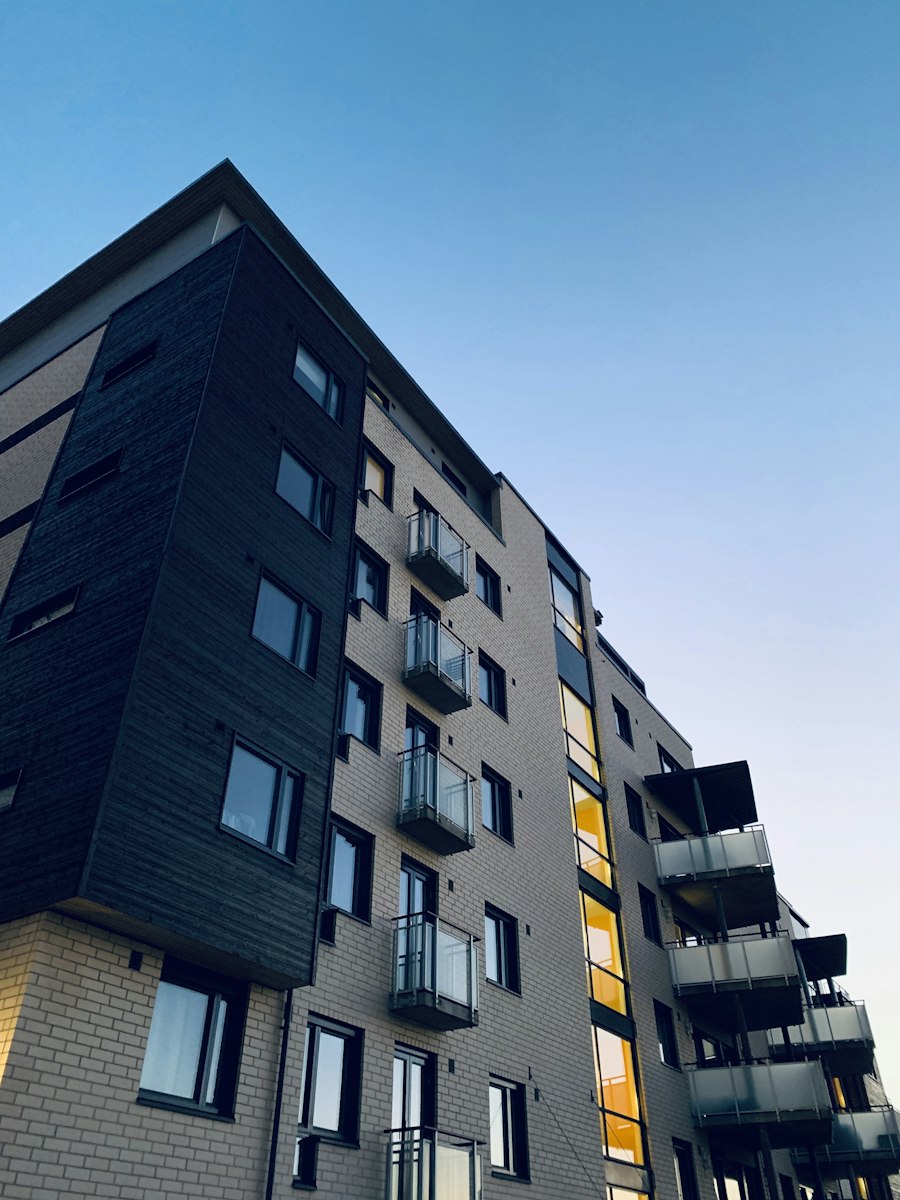
Well-chosen apartments in Bangalore continue to deliver strong returns
Where people get it wrong
I should be honest about the other side too. I've seen people buy property in the wrong location, overpay because they fell in love with a model flat, or ignore red flags about the builder. Real estate isn't a guaranteed win — it's a guaranteed win if you do your homework.
That's really what we try to do at PropFolioManager. Every property that comes through our platform gets a PFM Score — we look at location growth trajectory, developer track record, supply-demand dynamics, and rental yield projections. It's not magic; it's just being systematic about something most people approach emotionally.
The couple I mentioned earlier? They bought a 3BHK in Hebbal eight months ago. It's already up 6% on paper, and the rent covers 70% of their EMI. Not every story works out that neatly. But doing the analysis first gives you much better odds.
Want to talk through your situation? Book a free consultation with our team.
Have questions about this topic?
Our advisory team is happy to discuss in more detail.